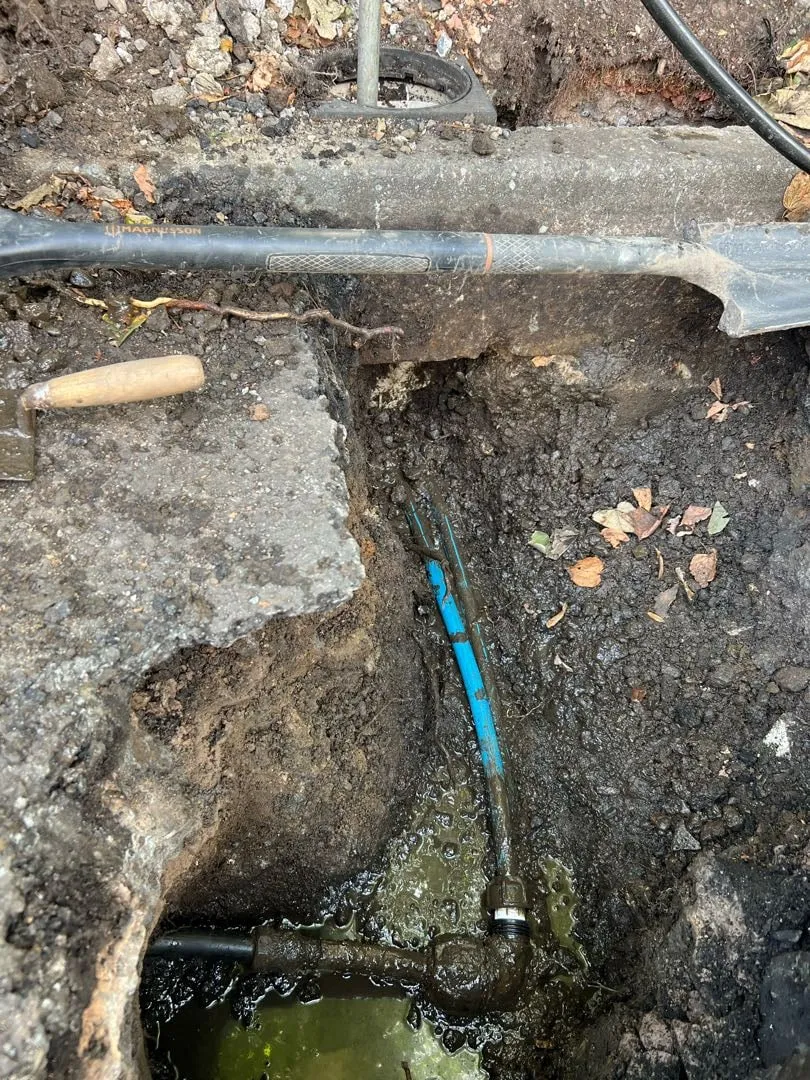
Factory: a leaking mains connection under the car park
Water pressure had dropped and the bills were unusually high, with no leak in sight. Pressure testing pointed to the incoming main, where a leaking connection was dug out and repaired.
ADI’s engineers find hidden water leaks under slabs, yards and roofs without digging up the floor or stopping work.
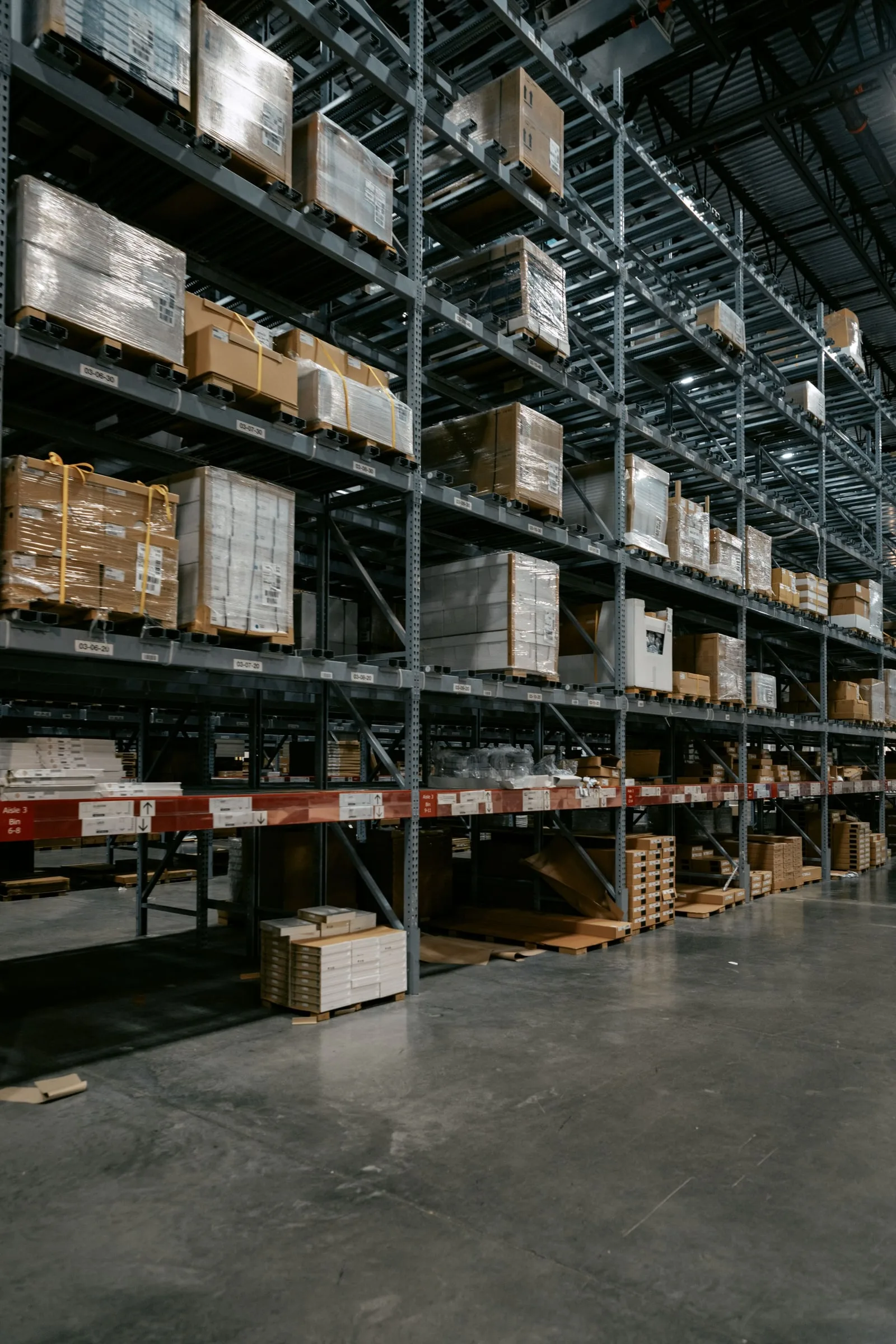
Pick a part of the building, from the roof and the welfare block to the loading bay and the yard, to see what a leak there looks like and how it is found.
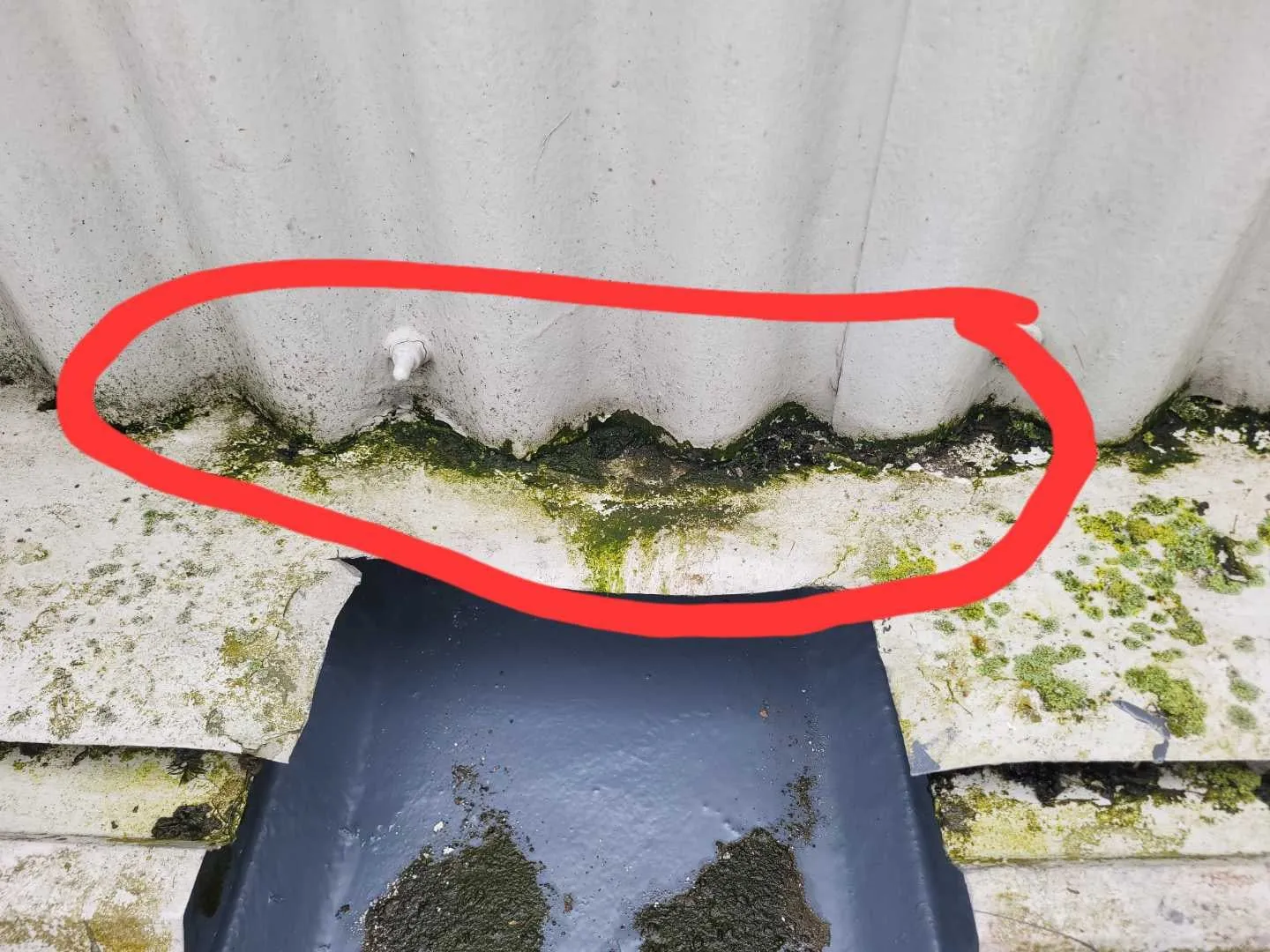
What you notice. Water landing on racking or stock after heavy rain, wet patches on the slab under a rooflight, staining along a valley gutter or where the roof meets a wall.
How it is found. Moisture mapping and thermal imaging from inside; a thermal-imaging drone over a large roof; tracer gas or an electronic roof leak detector on a flat roof. ADI locates roof leaks and reports them. The repair is a roofer's job.
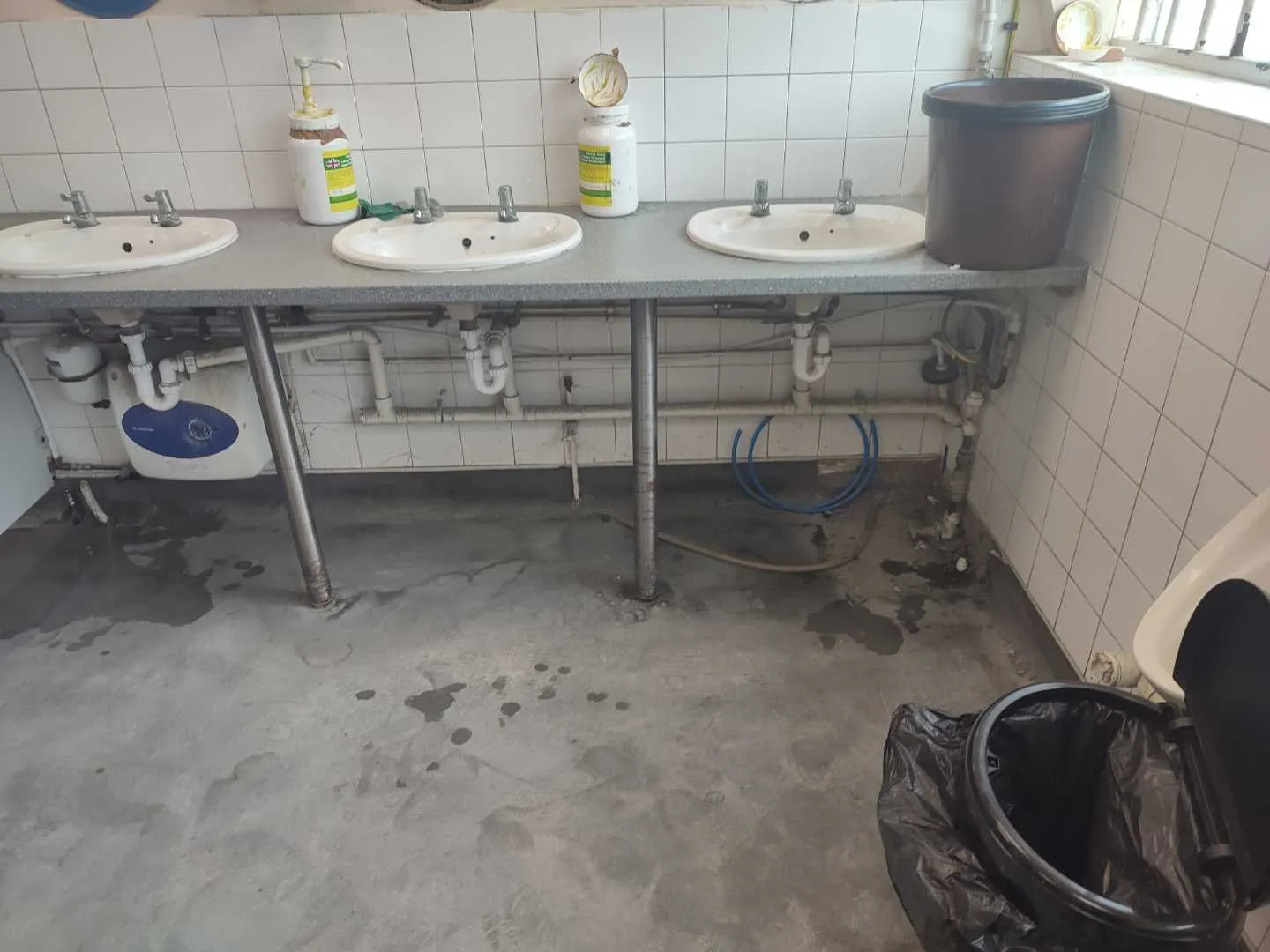
How we investigate roof, gutters and rooflightsWhat you notice. Two-storey office and welfare blocks put toilets, showers and a kitchen above the ground-floor offices. A stained ceiling tile, lifting flooring by the showers, damp behind a urinal.
How it is found. Moisture mapping, thermal imaging, dye tests on showers and WCs, a borescope camera into the ceiling void, and pressure testing of the hot and cold supplies.
How we investigate offices, welfare and washroomsWhat you notice. Cold and hot feed pipes run along the steel, through walls and under the slab to wash-down points, machinery and production areas. Pressure that drops overnight, a wet slab by a column, a feed that keeps tripping.
How it is found. Pressure testing each feed in turn, thermal imaging along the run, acoustic listening, and tracer gas where the pipe goes under the slab.
How we investigate feeds to machinery and plantWhat you notice. Boilers, water heaters and pumps serving the offices and welfare block, often with long runs out to warm-air units on the shop floor. A boiler that needs topping up, a cold heater at the end of the line.
How it is found. Pressure testing circuit by circuit, thermal imaging of flow and return pipework, tracer gas in the heating circuit and acoustic listening.
How we investigate heating and hot waterWhat you notice. Yard gullies, channel drains at the loading docks and the pipes carrying roof water away. Water that will not drain, a smell near the dock leveller, a wet wall beside a downpipe.
How it is found. Drain camera surveys to look inside the pipe, and dye tests to follow water from a gully, a downpipe or a washroom.
How we investigate drains, yards and loading baysWhat you notice. A long supply pipe under the car park and service yard, sometimes feeding a gatehouse or a second unit. A water bill that jumps, a meter turning at night, water surfacing through the tarmac.
How it is found. Acoustic ground microphones, leak-noise correlation, tracer gas and a trace wire to find the pipe, then a targeted excavation.
How we investigate incoming main and yard suppliesADI’s engineers combine these seven methods to locate hidden leaks before opening the affected area.
A safe, non-flammable hydrogen and nitrogen mix is put into the pipe or void. It escapes at the leak, rises through the floor or wall, and a detector picks it up at the surface.
On a warehouse site: Supply pipes under yards and car parks, feeds under the slab, flat roofs.
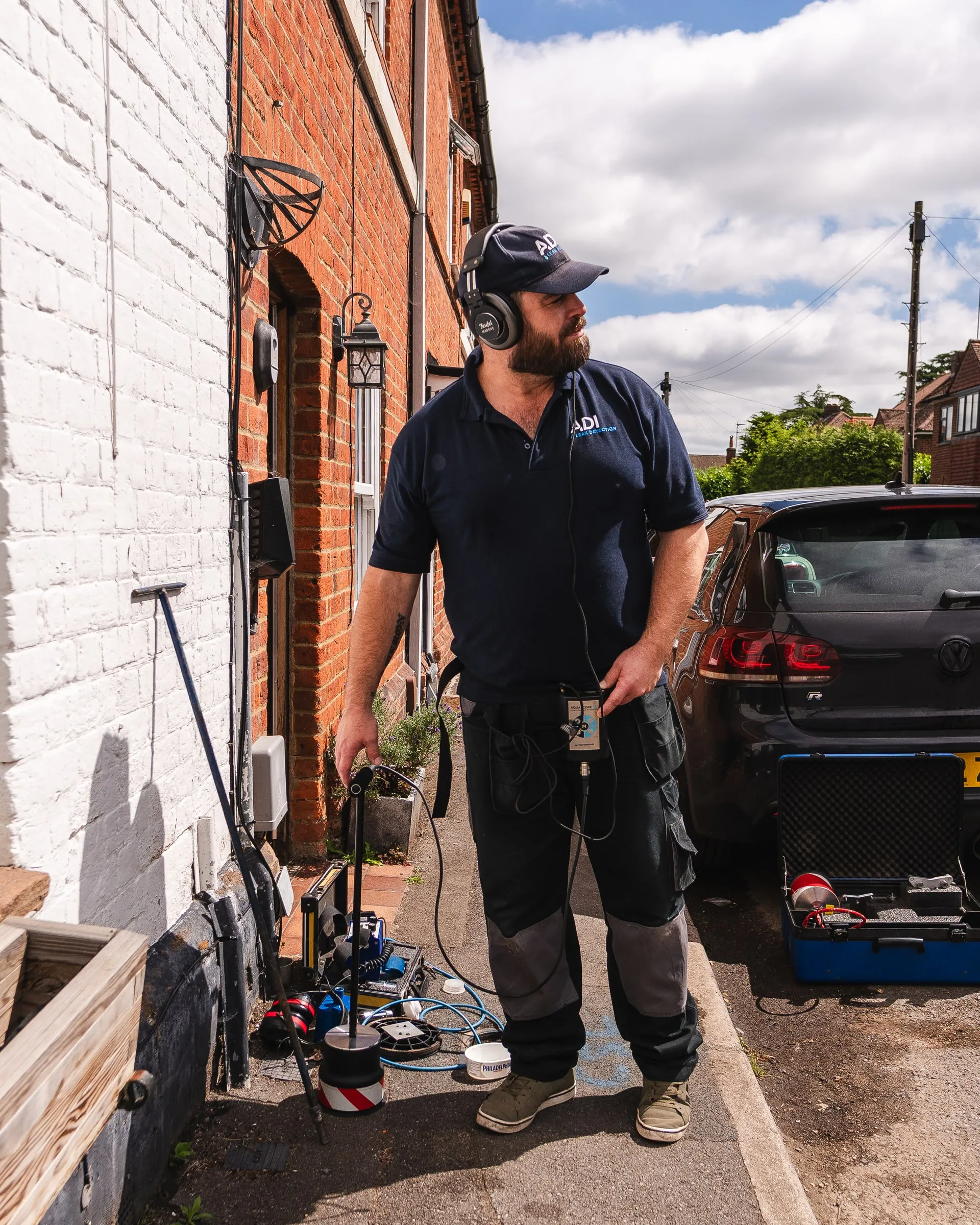
Ground and pipe microphones amplify the sound of water escaping under pressure. The loudest point is the leak.
On a warehouse site: Service yards, loading areas and walkways over buried pipework, ideally when the site is quiet.
Two sensors clamped to a pipe record the leak noise from either side; the correlator works out how far along the pipe the leak sits.
On a warehouse site: Long water mains across a site, where listening alone is slow.
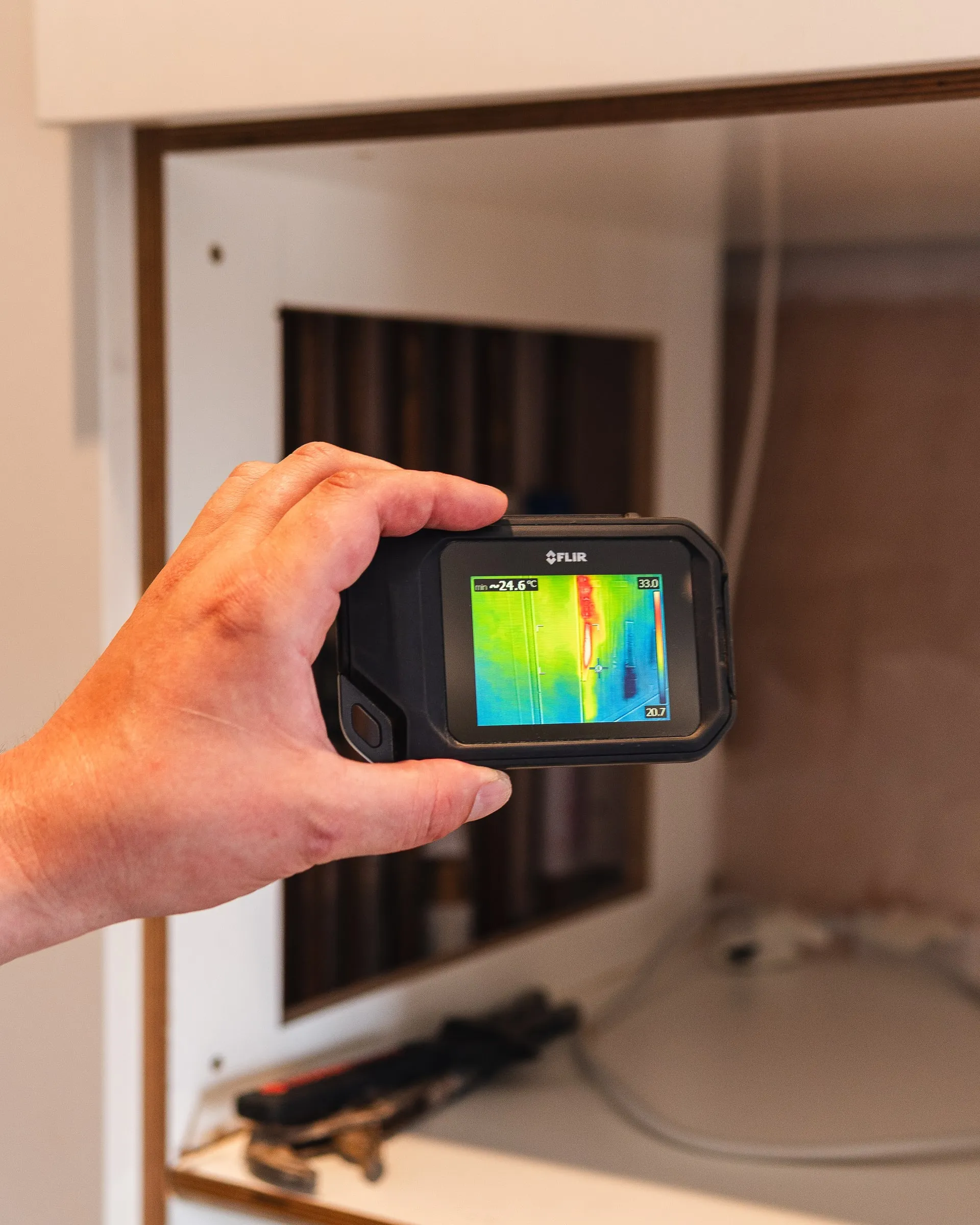
A thermal camera shows warm pipes and cold, wet patches behind finished surfaces. It scans large areas quickly and is always paired with another method to confirm.
On a warehouse site: Heating runs, hot feeds along the steelwork, and large roofs by drone.
A camera on a flexible tube goes through a small, easily made-good hole to look inside a void, a duct or a boxed-in pipe.
On a warehouse site: Ceiling voids in office blocks and boxed-in pipework in washrooms, before anything larger is opened.
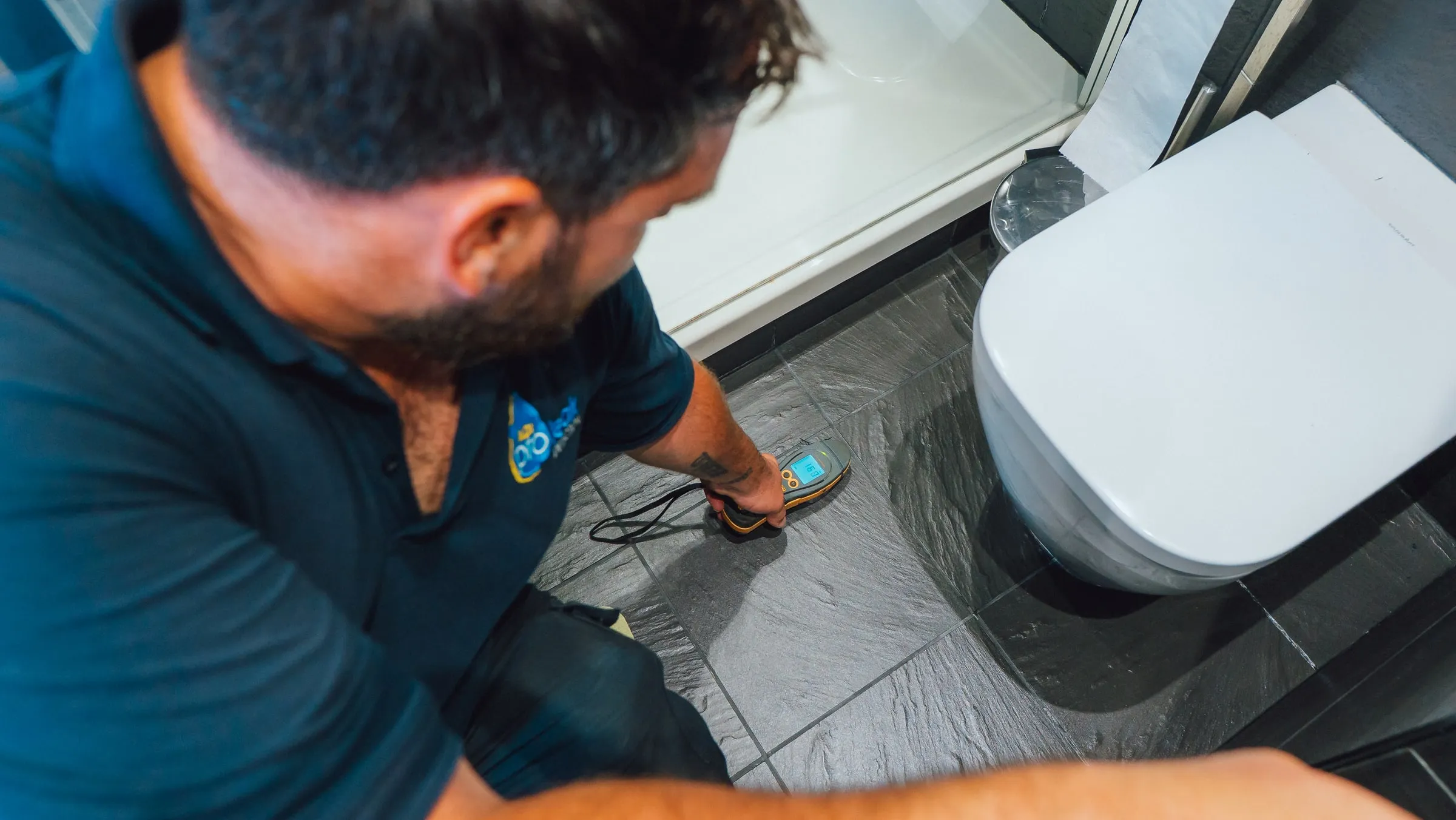
Pin and pinless meters read moisture in walls, floors and concrete. Plotted across the area, the readings show where the water has travelled and where it started.
On a warehouse site: Working out how far water has spread across a slab or up a blockwork wall.
Each circuit is isolated and held under pressure. A drop confirms a leak on that circuit; a steady gauge rules it out, and proves a repair afterwards.
On a warehouse site: Sites with several feeds and circuits, and proving a repair before the area goes back into use.
Real ADI investigations on working sites, with the findings and what happened next taken from each engineer’s report.
Water pressure had dropped and the bills were unusually high, with no leak in sight. Pressure testing pointed to the incoming main, where a leaking connection was dug out and repaired.
Tell us the postcode, what you have noticed and what the building is used for. The office team will ask about the site, the supplies and access, and give you current availability and a quote.
Engineers need to get into every relevant area, including plant rooms, roof access, locked stores and any unit sharing the supply. Tell the office about site rules, inductions and when the yard is quiet.
A risk assessment and method statement are supplied for commercial work. The engineer walks the site with your contact and looks at the meter, stopcocks and plant first.
Pressure testing separates the circuits. Thermal imaging, moisture mapping, acoustics, tracer gas and cameras then close in on the leak. Some tests need the water or heating off for a short while.
A report with photographs, findings and recommendations, written so it can go straight to an insurer, a landlord or a contractor.
Pipework and drainage leaks can be quoted and repaired, often on the same visit, and pressure tested afterwards. Roof and building-fabric leaks are located and reported for a roofer to fix.


Read the full review“He was able to locate the leak and provided a detailed report that could be shared with my insurer.”
Read the full review“He quickly set up the equipment, carried out a tracer gas test and pinpointed the leak to an area just outside our garage underneath the driveway.”
Read the full review“This is a large property and he traced leaks and sources of damp in walls and in heating pipes under concrete floors.”
Read the full review“Once the investigation was completed, Robert put everything back in place neatly and left the area tidy.”
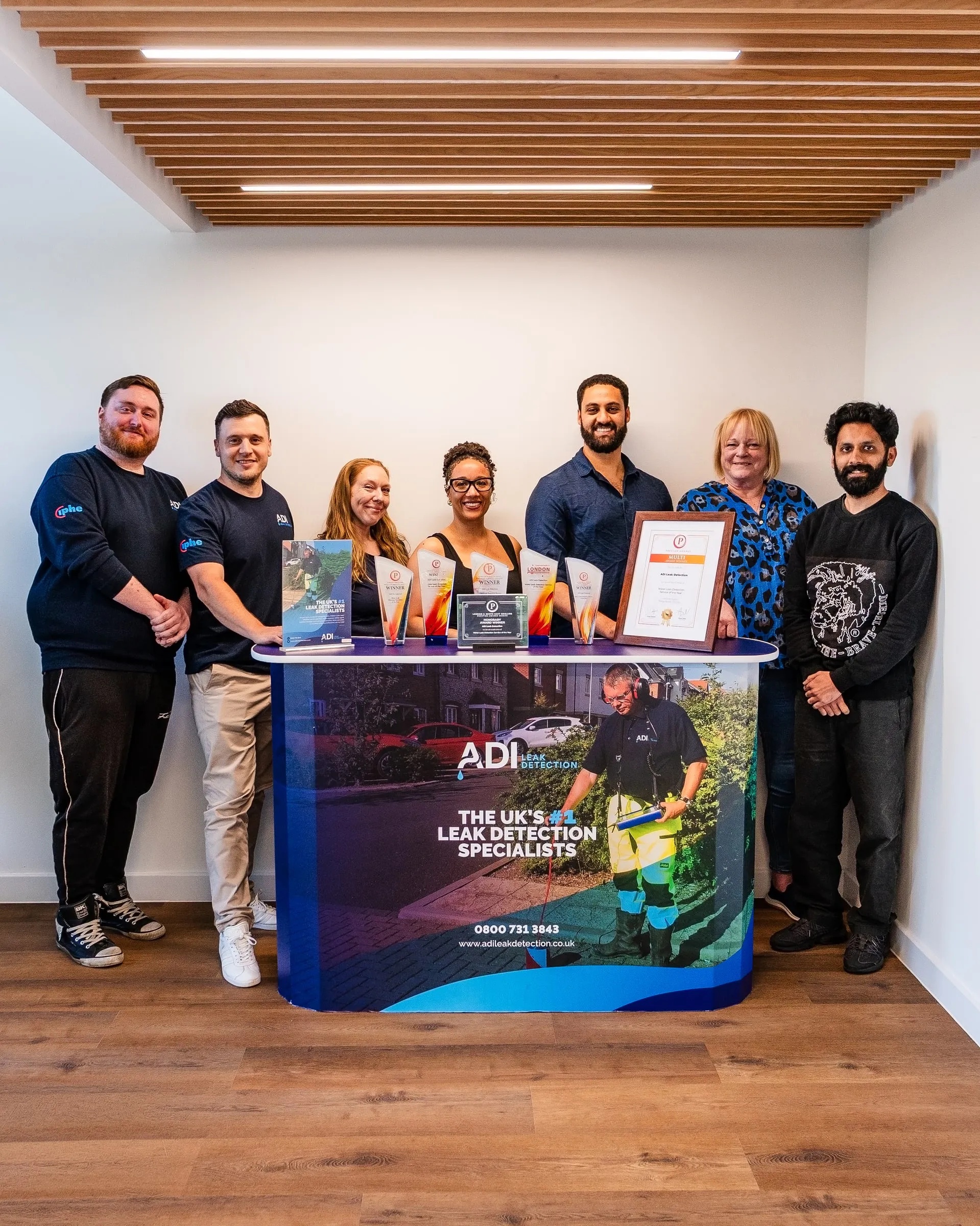
Warehouse Leak Detection, a specialist service from ADI Leak Detection. ADI started in 2011 and has more than twenty-five leak investigation engineers across England, Scotland and Wales. Operators with sites up and down the country can use one provider and one report format for all of them.
Usually. The methods are non-invasive: tracer gas, acoustics, thermal imaging, moisture mapping and camera inspection narrow the leak to a small area before anything is opened. Some jobs still need targeted access to confirm or repair the fault, and no survey can promise zero disturbance in every building, but we work to keep that to one small opening rather than a trench across the slab.
The engineer works around your operation. Tell the office when the yard is busy, where vehicles move, which areas are restricted and when the quietest time is, and access is planned around that. Some tests need the water or heating off for a short period, and acoustic work goes better when the site is quiet; we agree the timing with your contact first.
Call the office with the postcode and the office team will give you current availability. ADI has more than twenty-five engineers across England, Scotland and Wales, and a site with water where it should not be is treated as urgent. We do not promise arrival times on a website; you get a real answer on the phone.
Pipework and drainage leaks can be quoted and repaired, often on the same visit, and pressure tested afterwards. Roof and building-fabric leaks are located and reported for a roofer to fix. Repairs are charged separately from the survey and are quoted before any work starts.
Warehouse and industrial work is quoted, because the price depends on the size of the site, the systems involved and the access. Call with the postcode, the type of building and what you have noticed, and the office will quote on the phone. Repairs are a separate, quoted item. The domestic "no find, no fee" guarantee does not apply to commercial or industrial premises.
Often, but it depends on the policy. Insurers call finding and exposing a hidden leak trace and access, and many commercial buildings policies include it. ADI's report is written for that purpose: photographs, findings and recommendations, and for commercial work a risk assessment and method statement. Ask your insurer or landlord what they need before the visit and tell us, so the report answers it.
Someone who knows the site: where the meter, stopcocks and plant are, and which areas are affected. Access to every relevant area, including plant rooms, roof access, locked stores and any neighbouring unit on a shared supply. Any site rules or induction the engineer needs to follow. Parking within about 100 metres of the work for the equipment.
Describe what you have noticed, the type of building and the postcode. The office team will talk through the survey, give you a quote and current availability, and book the engineer.