- Home
- How it works
What happens on a warehouse leak survey
A leak survey is a day's work that starts with a phone call. This is the whole sequence, what the engineer needs from whoever runs the site, and what you get at the end of it.
Warehouse leak survey steps
Step 1: You call the office
Tell us the postcode, what you have noticed and what the building is used for. The office team will ask about the site, the supplies and access, and give you current availability and a quote.
Step 2: We agree access and timing
Engineers need to get into every relevant area, including plant rooms, roof access, locked stores and any unit sharing the supply. Tell the office about site rules, inductions and when the yard is quiet.
Step 3: The engineer arrives
A risk assessment and method statement are supplied for commercial work. The engineer walks the site with your contact and looks at the meter, stopcocks and plant first.
Step 4: The survey narrows it down
Pressure testing separates the circuits. Thermal imaging, moisture mapping, acoustics, tracer gas and cameras then close in on the leak. Some tests need the water or heating off for a short while.
Step 5: You get the findings in writing
A report with photographs, findings and recommendations, written so it can go straight to an insurer, a landlord or a contractor.
Step 6: Repair where it is quoted
Pipework and drainage leaks can be quoted and repaired, often on the same visit, and pressure tested afterwards. Roof and building-fabric leaks are located and reported for a roofer to fix.
What the engineer needs from your site team
Most delays on the day come down to access. Sort these before the visit and the survey starts the minute the van is unloaded.
- Someone who knows the site. Where the meter, stopcocks, plant and roof access are, which areas are affected and since when.
- Access to every relevant area. Plant rooms, roof hatches, locked stores, mezzanines, and any neighbouring unit that shares the supply.
- Your site rules. Inductions, PPE, restricted zones, and where vehicles and forklifts move, so the engineer can plan a safe route for the equipment.
- Parking within about 100 metres of the work. The equipment is heavy. Parking or toll charges are passed on at cost.
- A quiet window, and a time when water can go off. Acoustic listening works best when the yard is quiet, and pressure testing isolates circuits one at a time.
- Anything the insurer or landlord has asked for. If a claim is open or the lease puts the repair on someone else, say so; the report will be written to answer it.

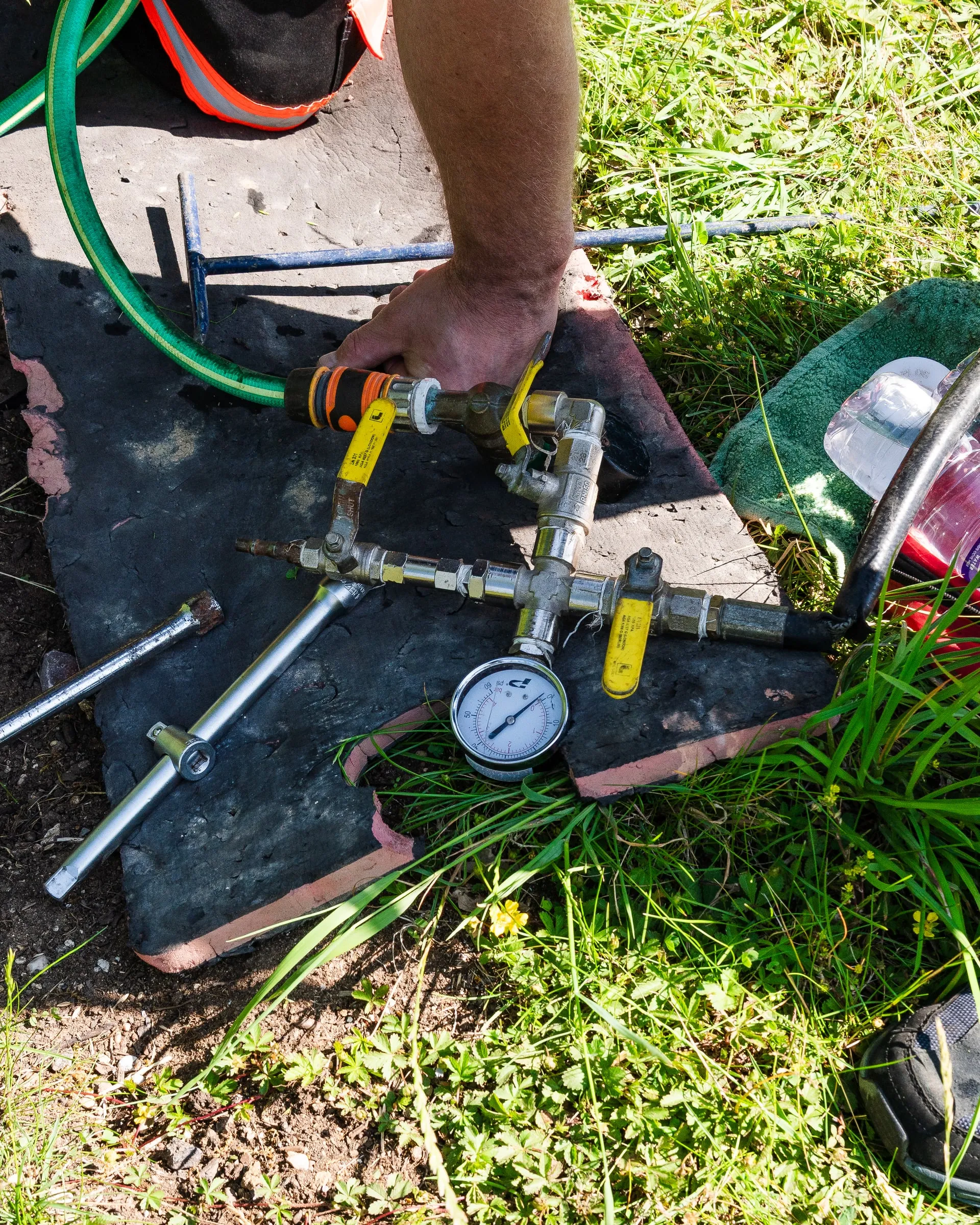
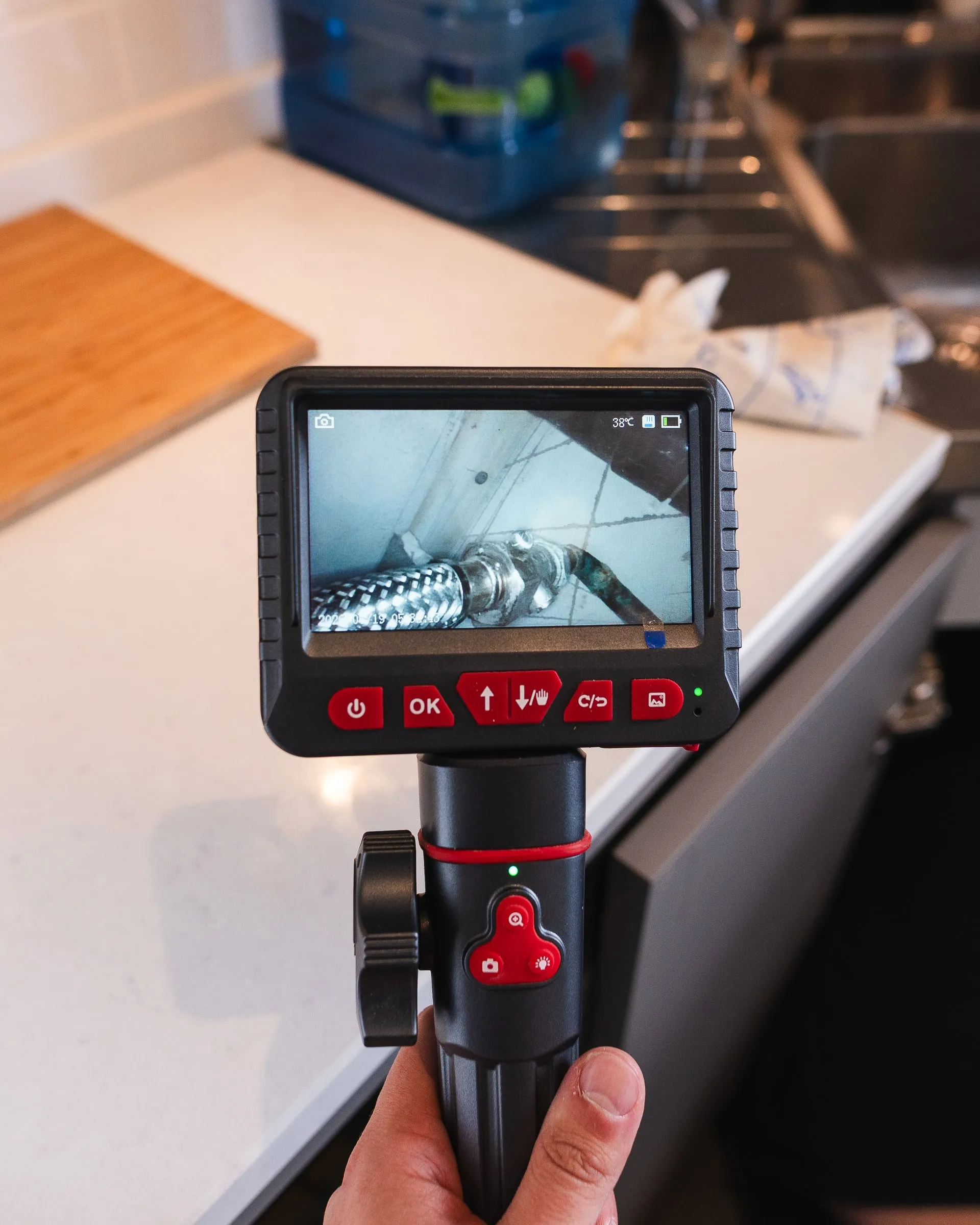
Your warehouse leak detection report
A written report, with photographs, that says where the leak is, how it was found and what to do about it. For commercial work it comes with the risk assessment and method statement supplied before the visit.
Insurers call this work trace and access. Send the report to the loss adjuster or the landlord's surveyor as it stands; if they need something extra, tell the office and it will be added. Where ADI has carried out the repair, the report records the pressure retest as well.
Repairs and what they cost
Pipework and drainage leaks are quoted for repair, often done on the same visit, and pressure tested afterwards. Roofs and building fabric are located and reported for a roofing contractor. Repairs are always a separate, quoted item: the survey price covers finding the leak, and making access to it is part of the repair.
Warehouse work is quoted on the phone from the postcode, the type of site and the symptoms. The domestic "no find, no fee" guarantee does not apply to commercial or industrial premises, heating systems or structural leaks.
Call 0333 567 2623Questions about the visit
Will the site have to stop?
The engineer works around your operation. Tell the office when the yard is busy, where vehicles move, which areas are restricted and when the quietest time is, and access is planned around that. Some tests need the water or heating off for a short period, and acoustic work goes better when the site is quiet; we agree the timing with your contact first.
Do you repair what you find?
Pipework and drainage leaks can be quoted and repaired, often on the same visit, and pressure tested afterwards. Roof and building-fabric leaks are located and reported for a roofer to fix. Repairs are charged separately from the survey and are quoted before any work starts.
What do you need from us before the visit?
Someone who knows the site: where the meter, stopcocks and plant are, and which areas are affected. Access to every relevant area, including plant rooms, roof access, locked stores and any neighbouring unit on a shared supply. Any site rules or induction the engineer needs to follow. Parking within about 100 metres of the work for the equipment.
Call ADI about a commercial leak
Describe what you have noticed, the type of building and the postcode. The office team will talk through the survey, give you a quote and current availability, and book the engineer.
- Monday to Friday, 7:30am to 6:30pm
- Calls reach ADI Leak Detection's office in High Wycombe. Engineers cover England, Scotland and Wales.